
WhoDB
What Data Lineage Actually Means (And Why It Matters)
Data lineage tells you where data came from, how it changed, and where it went. Here's what data lineage actually means, with a real example.

WhoDB
Data lineage tells you where data came from, how it changed, and where it went. Here's what data lineage actually means, with a real example.
WhoDB
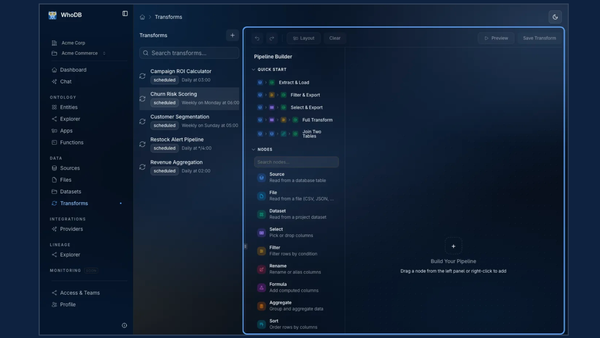
Why WhoDB replaced handwritten SQL with a visual data pipeline builder. Faster ETL, fewer errors, and pipelines anyone on the team can read.

WhoDB
What happens when a company's entire pricing logic lives in one spreadsheet nobody fully trusts anymore? We rebuilt it from the ground up.

WhoDB
The hidden cost of a fragmented data stack isn't infrastructure. It's the decisions you never make.

WhoDB
Businesses don't struggle with a lack of data. They struggle with getting answers from it quickly. This blog explores why traditional dashboards fall short, and how WhoDB's Enterprise Chat gives teams a faster, more flexible way to query live business data across all their existing systems.
WhoDB
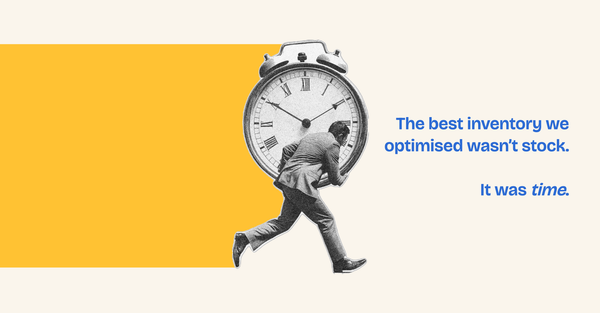
Manual spreadsheets were slowing down inventory planning. See how one premium retailer used AI to automate allocation, replenishment, and consolidation while improving inventory productivity and customer availability.
WhoDB
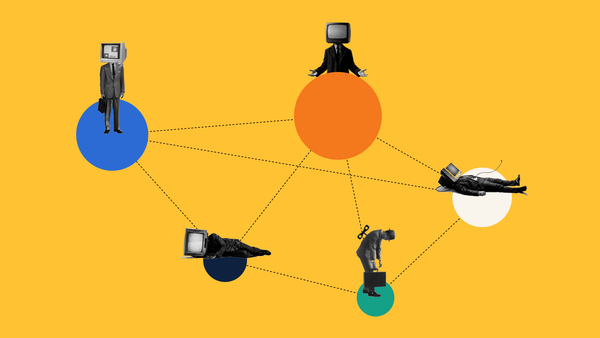
Most engineering teams don’t rely on a single database anymore. Modern stacks are a mix of specialized systems: Postgres for transactions, Redis for caching, Elasticsearch for search, Neo4j for relationships, object storage for files, and vector databases for AI. The hard part is managing them all.

WhoDB
WhoDB has seen several significant updates in recent releases, bringing improved functionality, bug fixes, and enhanced user experience.

WhoDB
Introducing the Future of Data Interaction: Conversate with Your Data Using Plain English!